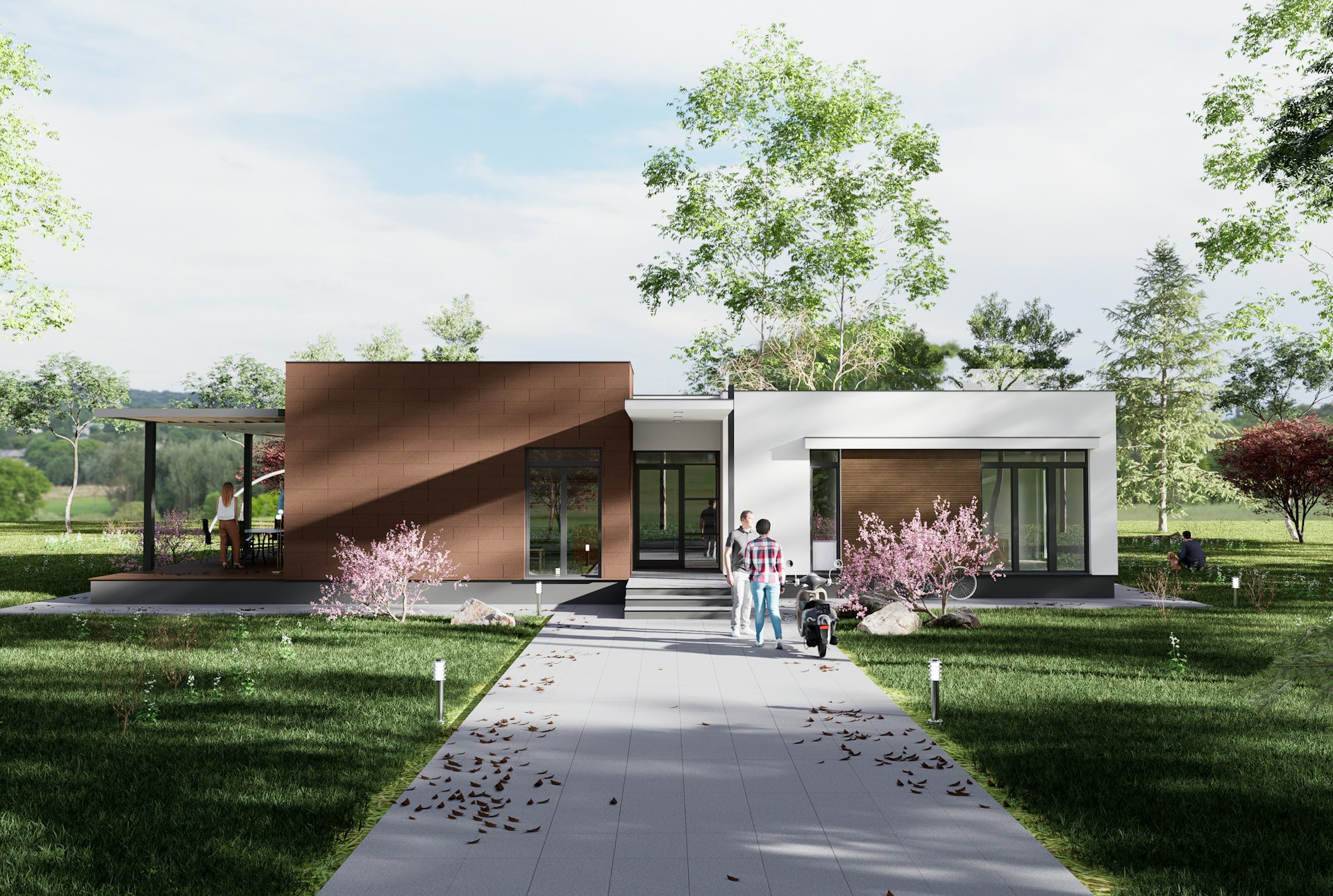
Scandinavian design has long been admired for its clean lines, functional elegance, and warm minimalism—and those qualities are increasingly shaping the prefab homes of today. Neutral materials, open floor plans, and an emphasis on natural light all play important roles in creating living spaces that feel both modern and inviting. According to jolie.de/leben/flexibles-wohnen-mit-fertighaus-konzept-217407.html, many prefab home concepts now blend Scandinavian aesthetic with flexible living elements, such as modular sections or multi-use rooms that adapt to changing needs. This fusion not only elevates visual appeal but also improves usability and sustainability. For buyers seeking beauty, simplicity, and smart design, the Scandinavian influence in prefab homes offers a compelling blueprint.
Simplicity in Form and Function
At the heart of Scandinavian design is a focus on clean lines and uncluttered spaces. Prefab homes benefit from this because streamlined forms are easier to manufacture in factory settings and transport to building sites. The simplicity does not make the homes dull; instead, it highlights thoughtful layouts where every room serves a purpose. This functional elegance creates a living environment that feels calm and inviting, which is especially appealing for buyers who want homes that work as well as they look.
Emphasis on Natural Light
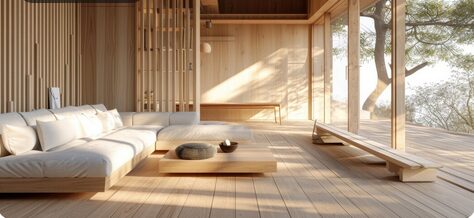
Long winters and limited daylight shaped the Scandinavian love for large windows and bright interiors. Prefab homes inspired by this tradition often include expansive glass panels, skylights, and open floor plans that maximize natural light. This design element not only lifts the mood inside but also reduces reliance on artificial lighting, making the home more energy efficient. For modern buyers, the combination of beauty and practicality feels like a win-win, especially in urban environments where natural light can be scarce.
Sustainability as a Core Value
Scandinavian design is closely tied to respect for nature, and that value translates directly into prefab housing. Many prefab homes adopt eco-friendly materials, energy-saving technologies, and efficient insulation inspired by Nordic standards. By incorporating sustainable choices, these homes support greener living while keeping utility costs manageable. Buyers are drawn to the idea that their homes are not only stylish but also aligned with environmentally conscious values.
Comfort Through Minimalism
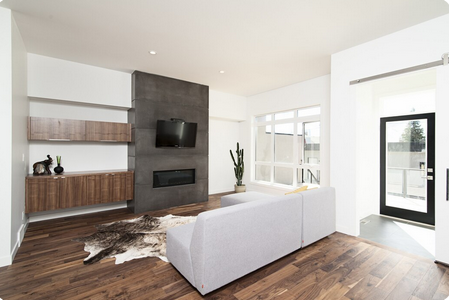
Minimalism in Scandinavian design is not about stripping away comfort but about highlighting it. Prefab homes influenced by this philosophy often feature open layouts, neutral palettes, and natural materials like wood and stone. It creates a warm, welcoming atmosphere that feels personal rather than sterile. The result is a prefab home that balances simplicity with coziness, offering an environment that is both modern and livable.
Scandinavian design has become a powerful influence on prefab housing, shaping it into something far more than just efficient construction. Its focus on simplicity, natural light, sustainability, and comfort aligns perfectly with the goals of modern living. Buyers are discovering that prefab homes can reflect the beauty and practicality of Nordic design while offering flexibility and affordability. The blend of these two movements shows how thoughtful design can transform prefab housing into stylish, resilient, and truly desirable homes.…

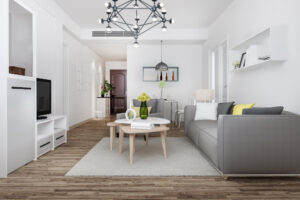 Universal design emphasizes accessibility, adaptability, and simplicity. Key principles include creating barrier-free pathways, ensuring rooms are spacious and easy to navigate, and designing features that accommodate a range of abilities. This approach goes beyond mere compliance with accessibility regulations—it anticipates the evolving needs of individuals, allowing homes to remain functional as mobility or health needs change over time. Implementing these principles ensures a living environment that is safe and comfortable for everyone.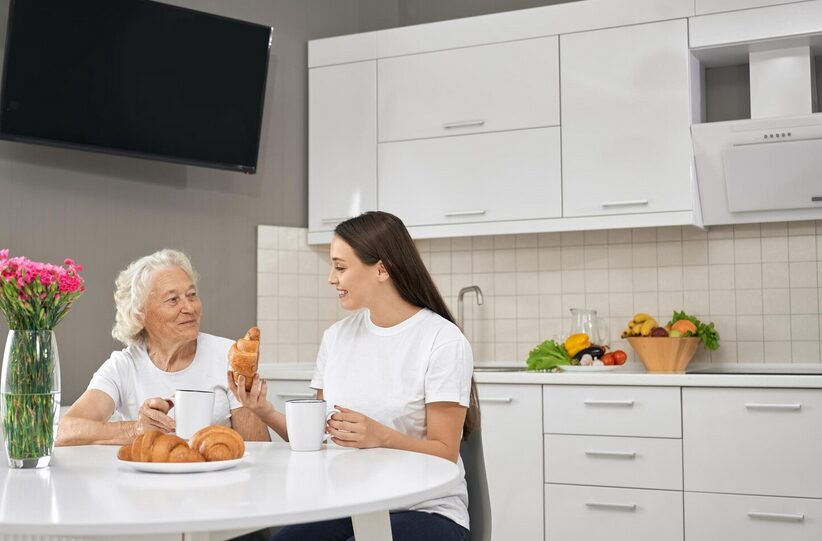
 An important benefit of universal design is its ability to promote independence. By providing accessible and intuitive features, care recipients can perform tasks on their own, reducing reliance on constant assistance. This approach not only supports autonomy but also preserves dignity, creating a home environment that respects the abilities and preferences of each resident. Caregivers, in turn, experience less stress while providing meaningful support.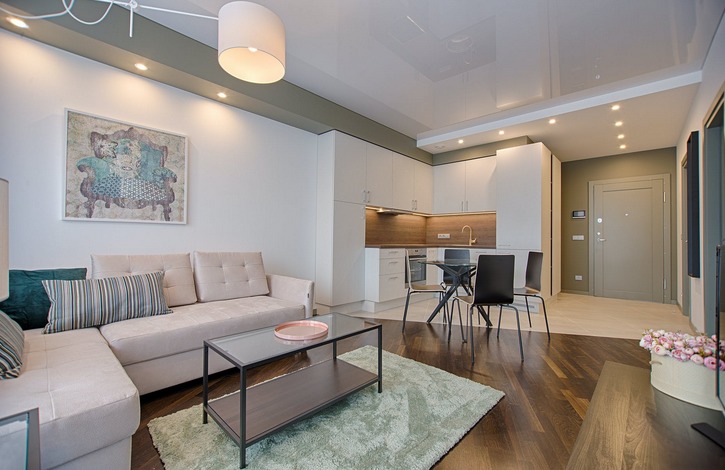
 One of the defining characteristics of contemporary design is minimalism. This clean and uncluttered aesthetic has been popular for years and shows no signs of going out of style. Try incorporating some minimalist elements into your living room decor if you’re drawn to this look. For example, opt for furniture with clean lines and simple silhouettes. And when it comes to your color palette, stick to a few neutral hues that will help create a sense of calm in the space.
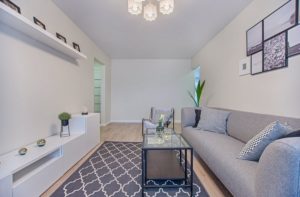 If you’re looking for a bold way to update your living room, consider using geometric patterns in your decor. This trend has been popping up everywhere lately, and it’s a great way to add some visual interest to the space.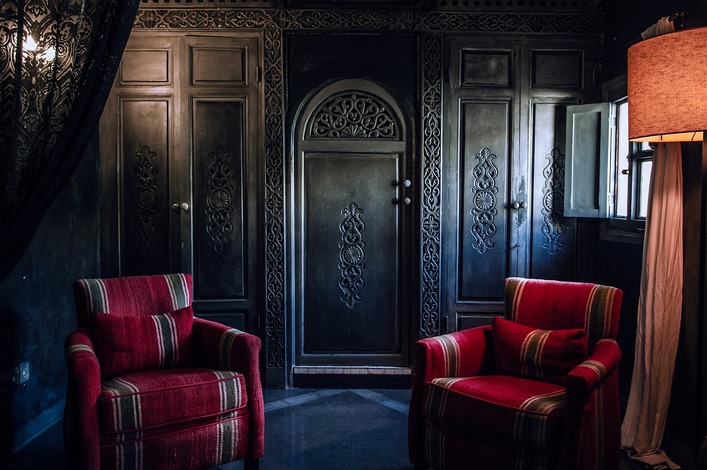
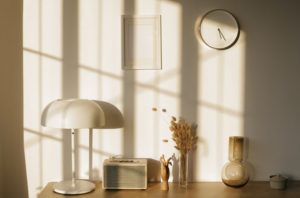 1970s home decoration is about achieving a look inspired by adventure and novelty while still appealing to the masses. People often used geometric patterns in home decoration during this time. For example, if you’re looking for wallpaper ideas, it’s hard to go wrong with using geometric print designs on your walls! Many people love choosing bold colors like reds, oranges, yellows, or greens to complement their patterns.