

Your roof is your home’s first line of defense against the elements. It shields you from rain, snow, and harsh sunlight, but how often do you think about what lies beneath those shingles? Right after they inquire about inspection services, contact one, and make an appointment, many homeowners overlook critical aspects during routine inspections or even before buying a home.
This oversight can lead to hidden problems that escalate into costly repairs down the line. I believe you don’t want to end up spending a lot of hard-earned cash just to fix the roof. So, if you’ve got an appointment for a roof inspection, ensure you don’t miss these issues. We’ll explore common issues often missed during roof inspections.
Hidden Water Damage Under the Shingles
Water damage can be a sneaky and dangerous intruder that many Roofing SEO services often include in their practical strategy to win customers. Often, it hides beneath the shingles, making its presence known only when it’s too late. Moisture can often seep in through tiny cracks or gaps. Over time, this turns into an ideal environment for mold and rot. Homeowners usually miss these signs until they see dark spots on ceilings or walls. Regular inspections play a crucial role here. Look out for bubbles or blisters in the shingles; they often indicate trapped moisture underneath. Ignoring hidden water damage may lead to extensive repairs down the road. This way, you can ensure your roof’s integrity is on point while safeguarding your home from more serious structural problems that could arise later on.
Cracked or Worn Flashing Around Chimneys and Vents
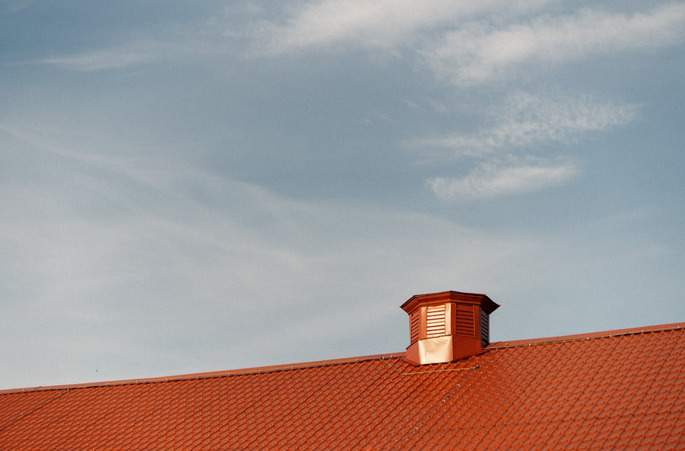
Flashing serves as a crucial barrier against water intrusion. It’s often found around chimneys and vents, where the roof structure meets vertical elements. Unfortunately, homeowners frequently overlook this area during inspections. Over time, flashing can become cracked or worn due to exposure to harsh weather conditions. Sunlight can dry it out, while rain may cause corrosion if not properly sealed. When flashing fails, gaps form that allow moisture to seep in. This leads to potential leaks inside your home—something many discover only after damage has occurred.
Sagging Roof Decks That Indicate Structural Damages
A sagging roof deck is more than just an eyesore; it’s a red flag for potential structural issues. When the roof begins to droop, it often signals that something beneath isn’t holding up as it should. Water damage, rot, or improperly installed roofing materials can contribute to this problem. The longer these conditions persist, the worse the damage becomes. Homeowners may overlook subtle signs until they escalate. Inspecting your attic can reveal much about your roof’s health. Look for uneven surfaces or dips in the ceiling joists. These might indicate that weight distribution is off balance.
Gutter Clogs Leading to Water Overflow and Roof Damage
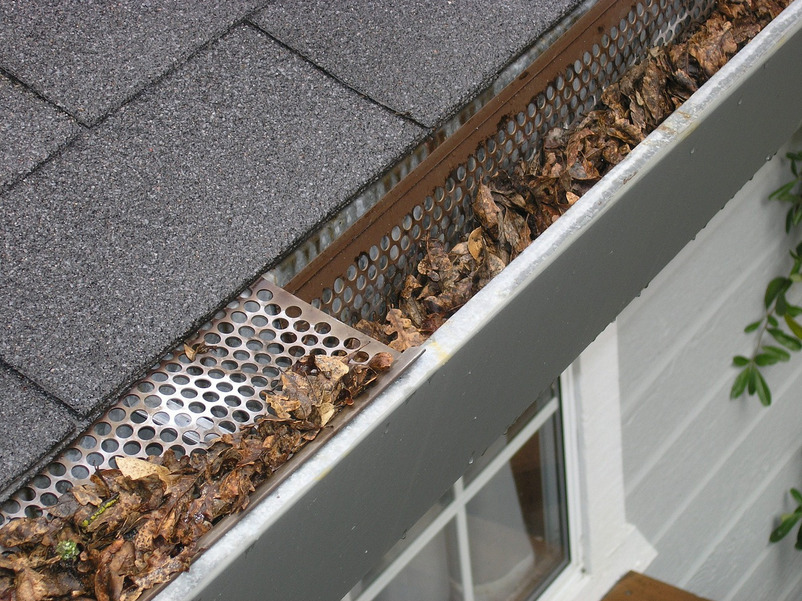
Now, let’s move on to your gutter. When debris gathers and creates clogs, it can lead to significant problems that many homeowners overlook. Water overflow is one of the most common consequences of clogged gutters. Instead of flowing through the downspouts as intended, rainwater spills over the edges. This not only saturates the surrounding landscaping but also puts immense pressure on your roofing materials. Over time, this excess water can seep into your home’s structure, leading to mold growth and rotting wood. Regular inspections and thorough cleanings using a high-pressure washer are essential for keeping these channels clear.
Homeowners often overlook critical areas in their roofs, which can lead to significant costs if left unaddressed. Investing time into understanding what to look for during a roof inspection is worthwhile. Schedule routine check-ups with professionals who know exactly what signs to identify and how best to address them.…

 Nearly all driveways practice a paved surface because it is cost-effective and goes well. Almost every drive practices this tar-based surface. Weather fluctuations and chemicals (such as salt) can cause minor cracks and imperfections. Instead of ignoring it or hoping for the best, seal this area cost-effectively and efficiently.
 Clearing the drains outside is necessary if you require to avoid any groundwater issues. Clear elsewhere leaves and other difficulties/ obstacles so that you don’t face undesired flooding or unnecessary, preventable icing.