
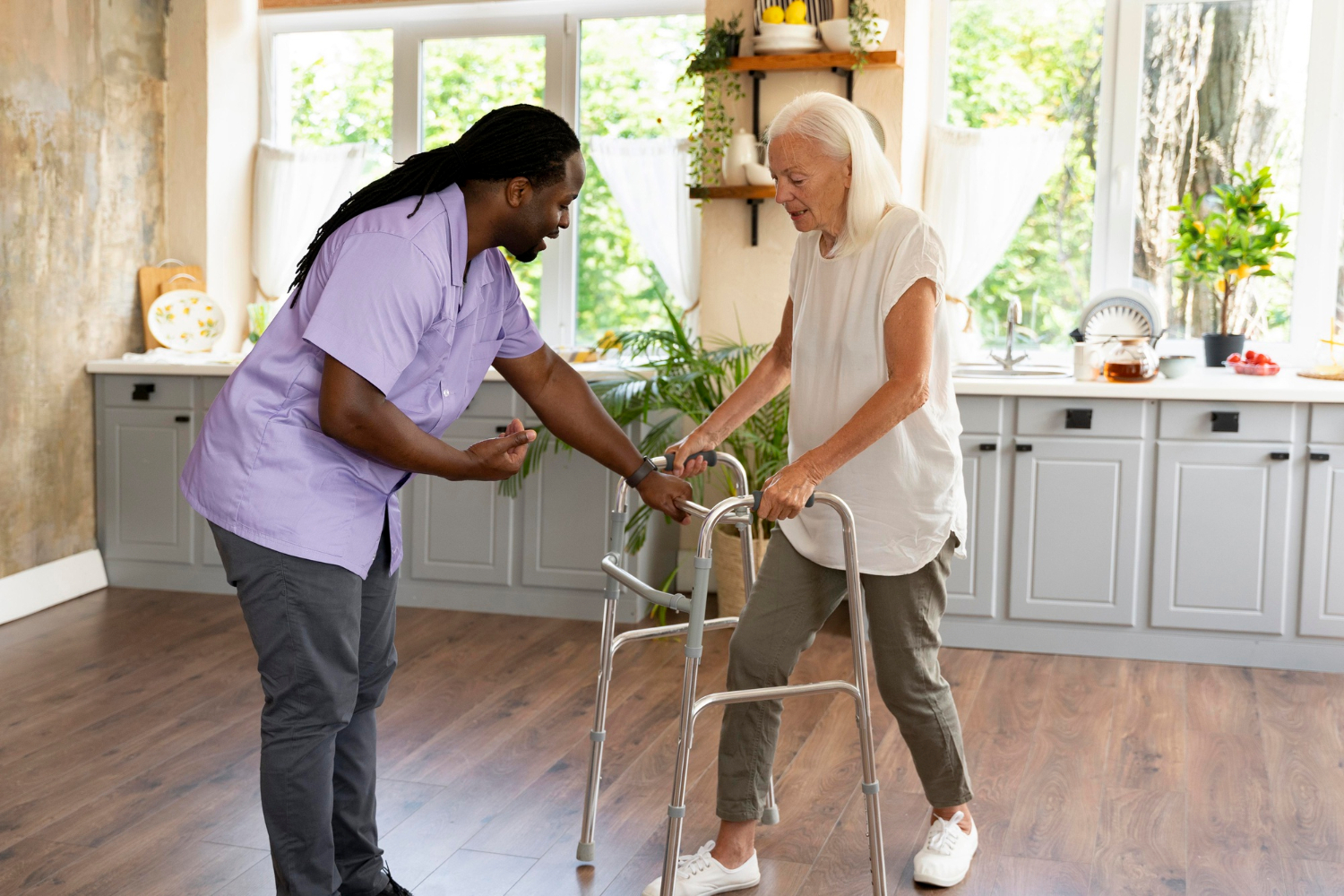
Creating a home that accommodates both residents and caregivers requires thoughtful planning and design. Universal design principles ensure spaces are safe, accessible, and adaptable, reducing challenges for aging family members while making daily caregiving tasks easier. Features like wide doorways, step-free entrances, and accessible bathrooms allow everyone to move comfortably and safely throughout the home. Resources such as this caregiver’s guide to home prep for seniors offer practical advice on how to implement these design choices effectively. By integrating universal design, families can create environments that promote independence, minimize risks, and provide caregivers with the tools they need to offer support efficiently. Ultimately, a home built with accessibility in mind benefits both the caregiver and the residents, fostering a sense of security, comfort, and well-being for everyone involved.
Principles of Universal Design
 Universal design emphasizes accessibility, adaptability, and simplicity. Key principles include creating barrier-free pathways, ensuring rooms are spacious and easy to navigate, and designing features that accommodate a range of abilities. This approach goes beyond mere compliance with accessibility regulations—it anticipates the evolving needs of individuals, allowing homes to remain functional as mobility or health needs change over time. Implementing these principles ensures a living environment that is safe and comfortable for everyone.
Enhancing Safety for Caregivers and Recipients
Safety is one of the most critical aspects of universal design. Homes designed with wide hallways, non-slip flooring, and well-placed lighting reduce the risk of falls and accidents. Bathrooms with grab bars, walk-in showers, and sufficient space for mobility aids help prevent injuries during daily routines. By minimizing hazards, universal design creates an environment where caregivers can provide support efficiently while care recipients maintain independence as much as possible.
Supporting Daily Routines
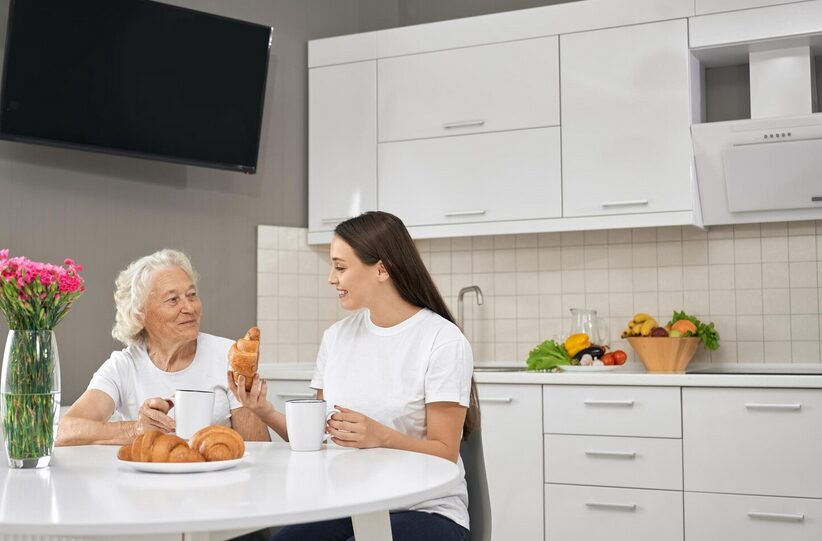
Homes designed with universal principles make everyday caregiving tasks more manageable. Kitchens, bathrooms, and living areas are structured to minimize unnecessary movement and effort. Accessible counters, strategically placed storage, and user-friendly appliances reduce the physical strain on caregivers. These thoughtful arrangements allow care to be delivered more efficiently, creating a smoother daily routine for both caregivers and recipients.
Flexible Spaces for Varied Needs
Universal design also focuses on adaptability. Rooms and spaces can be configured for multiple purposes, allowing them to evolve with changing caregiving requirements. For example, a spare bedroom can double as a medical space or office, and furniture layouts can be adjusted to create clear pathways. This flexibility ensures that the home remains functional and comfortable, even as the needs of residents change over time.
Promoting Independence and Dignity
 An important benefit of universal design is its ability to promote independence. By providing accessible and intuitive features, care recipients can perform tasks on their own, reducing reliance on constant assistance. This approach not only supports autonomy but also preserves dignity, creating a home environment that respects the abilities and preferences of each resident. Caregivers, in turn, experience less stress while providing meaningful support.
Universal design plays a vital role in homes intended for caregiving. By focusing on accessibility, safety, flexibility, and independence, it creates spaces that support both care recipients and caregivers. Implementing these principles ensures that homes remain functional and comfortable as needs evolve, reducing stress and enhancing quality of life. Thoughtful universal design is not only a practical approach—it is a compassionate investment in the well-being of everyone who lives in the home.…