
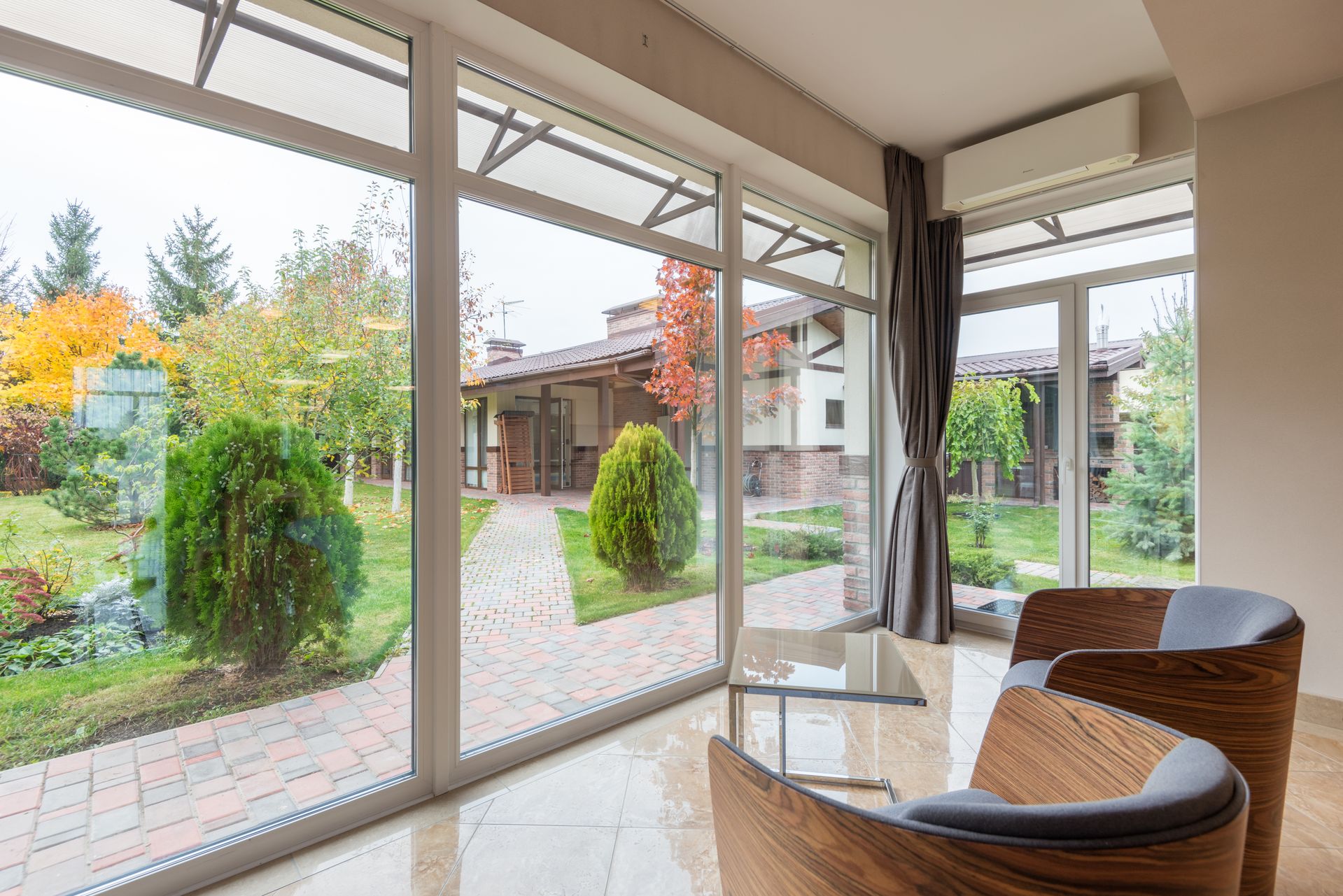
Homes with central courtyards create a unique living experience by organizing interior spaces around an open, private outdoor area rather than facing outward alone. This arrangement can influence how natural light, ventilation, privacy, and movement are distributed throughout the home, giving everyday spaces a distinct sense of connection. Discussions about sustainable residential design, including those featured at https://www.bauprofessor.de/nachhaltiges-bauen/, highlight how thoughtful layouts can improve both comfort and long-term functionality. A central courtyard also encourages stronger relationships between indoor and outdoor environments while providing a sheltered space for relaxation. Exploring this design approach reveals why courtyard-centered homes often feel noticeably different from more traditional residential layouts.
How a Central Courtyard Changes Spatial Organization
A central courtyard becomes a focal point around which many rooms are arranged. Living areas, bedrooms, kitchens, and circulation spaces may all face the same outdoor environment, creating stronger visual connections throughout the home. Instead of organizing rooms along exterior walls alone, the courtyard introduces an internal reference point that influences movement and orientation. This arrangement can make different parts of the house feel more connected because several spaces share a common outlook toward the center of the property.
The Influence of Natural Light and Ventilation
A courtyard can improve the distribution of natural light by bringing daylight into the center of the home rather than relying solely on windows along the outer walls. Rooms facing the courtyard may receive light from an additional direction, helping brighten areas that might otherwise be more enclosed. The open central space can also encourage natural airflow through windows and doors positioned around it. These relationships contribute to a brighter and more comfortable interior while strengthening the connection between indoor and outdoor environments.
Why Courtyard Homes Create Greater Privacy
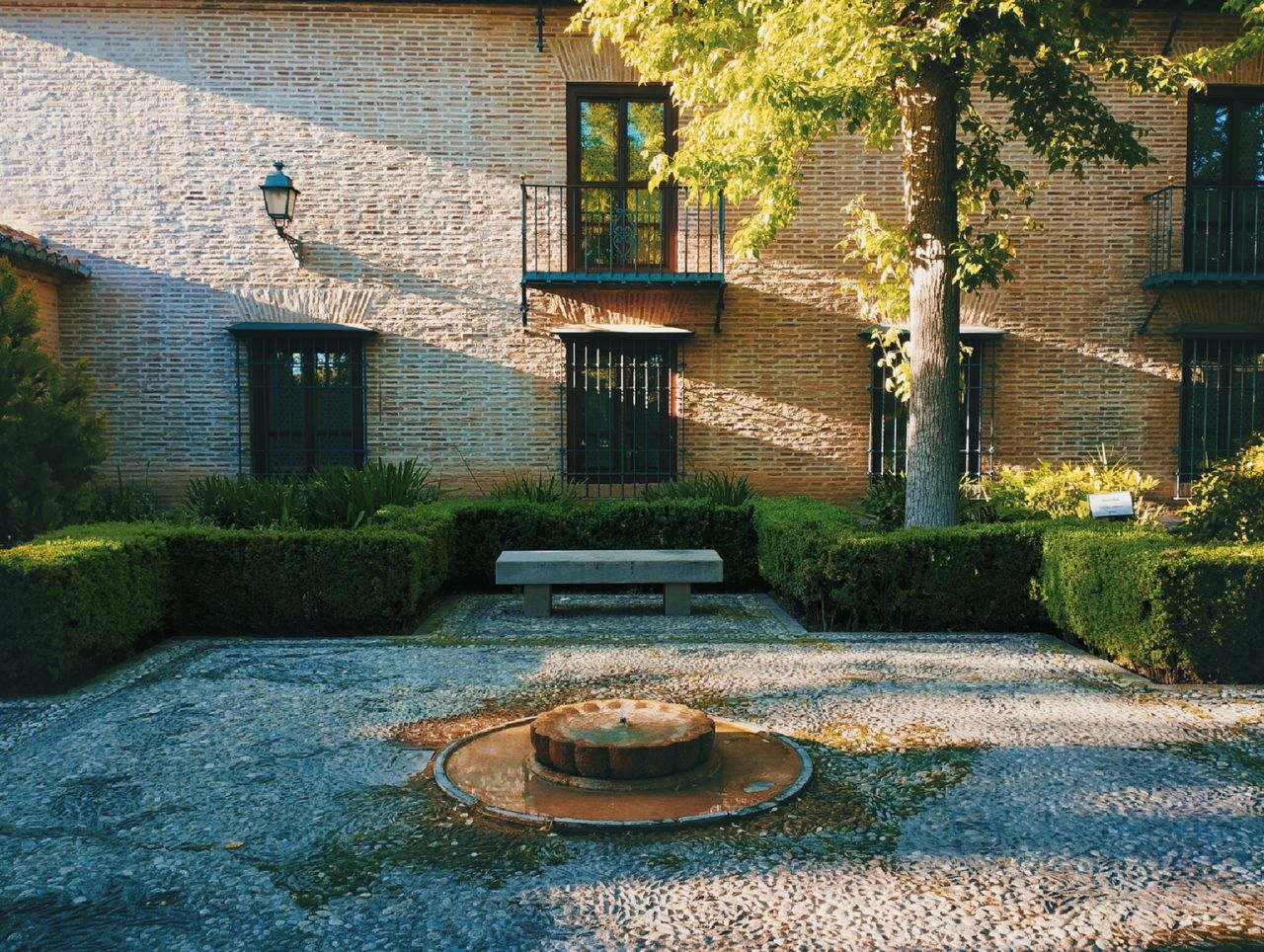
One of the defining characteristics of a central courtyard is its ability to provide private outdoor space within the home’s overall structure. Instead of orienting major windows toward neighboring properties or busy streets, many rooms overlook the protected courtyard. This inward-facing arrangement can reduce unwanted views into the home while allowing occupants to enjoy outdoor spaces more comfortably. Privacy is achieved through the layout rather than by entirely limiting access to daylight or surrounding views.
How the Courtyard Influences Everyday Movement
The position of a central courtyard affects how people move through the home. Hallways, living spaces, and connecting rooms often pass alongside or overlook the courtyard, creating repeated visual contact with the outdoor environment during everyday activities. This relationship can feel more varied at home because occupants experience shifting perspectives on the same central space from different locations. The courtyard therefore becomes an active part of daily circulation rather than simply an outdoor area used on specific occasions.
Homes with central courtyards feel different from traditional layouts because they organize living spaces around a shared outdoor center rather than focusing solely on the property’s exterior boundaries. This arrangement influences room relationships, natural light, ventilation, privacy, movement, and the connection between indoor and outdoor environments. By bringing nature into the middle of the home, courtyard layouts create a distinctive spatial experience that combines openness with privacy. Their design demonstrates how the organization of space can shape the atmosphere and character of a home in ways that extend beyond its size or architectural style.