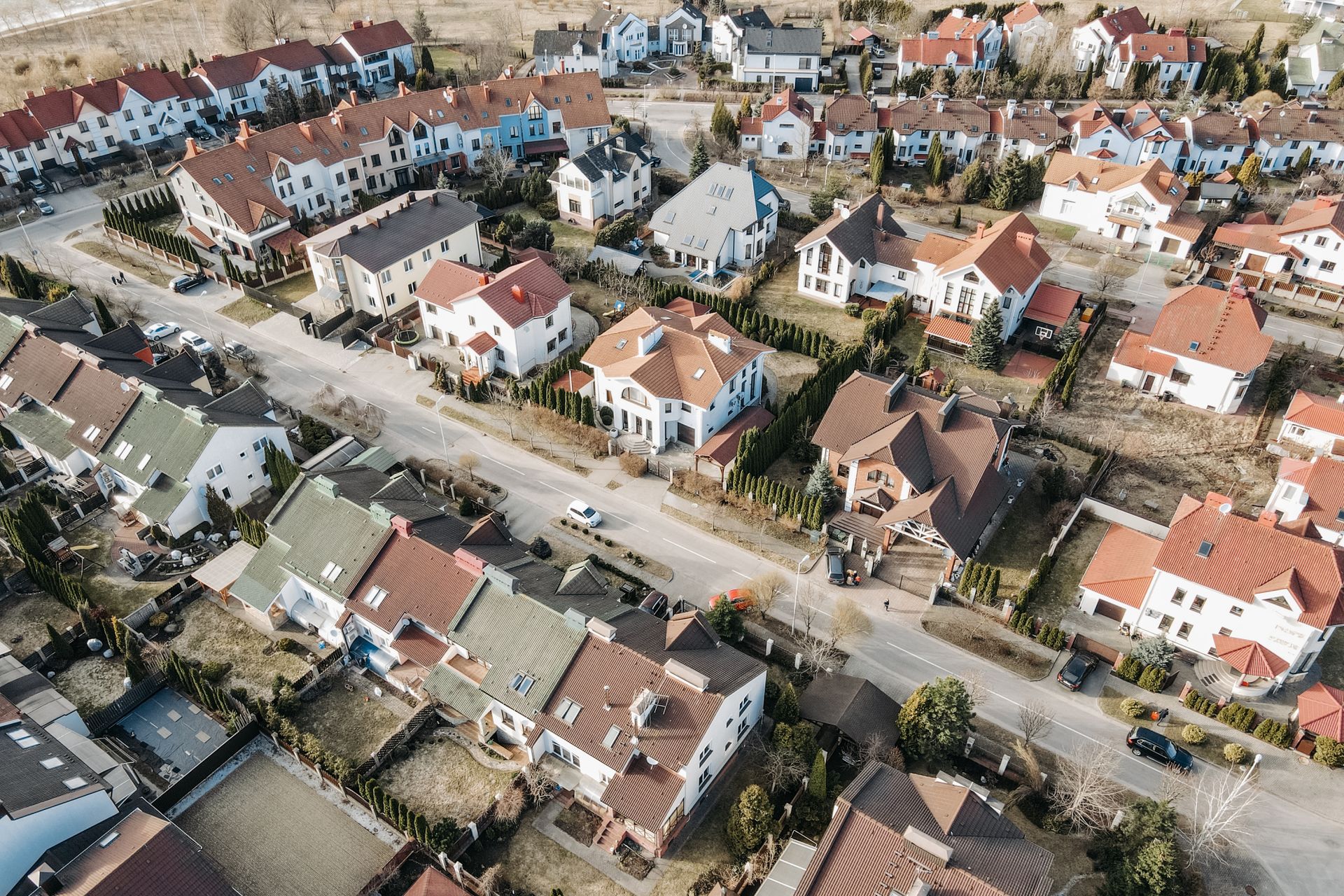
The housing market continues to evolve as people seek living arrangements that match changing lifestyles and financial priorities. While homeownership remains an important goal for many families, renting has become an attractive long-term option for others. This shift has encouraged developers to create Build-To-Rent communities, often called BTR communities. Unlike traditional neighborhoods where homes are built primarily for sale, these developments consist of houses designed specifically for long-term rental. Residents enjoy the privacy and space of detached homes while benefiting from professionally managed communities. Understanding why Build-To-Rent communities are growing in popularity helps explain how residential housing is adapting to meet modern living preferences. For more information, visit deutsche-startups.de/2025/08/26/tobias-beuler-revolution-im-hausbaumarkt-vom-bauinsider-zum-gesicht-einer-neuen-baukultur/.
Meeting Changing Lifestyle Needs
Many people value flexibility when choosing where to live. Career opportunities, family responsibilities, and personal circumstances may change over time, making long-term commitments less practical for some households. Build-To-Rent communities offer an alternative that provides residential stability without requiring property ownership. Residents can enjoy living in a neighborhood while maintaining the flexibility to relocate if future needs change. This arrangement appeals to young professionals, growing families, retirees, and individuals who prefer renting over purchasing. As lifestyles continue evolving, flexible housing options become increasingly valuable.
Providing More Residential Space
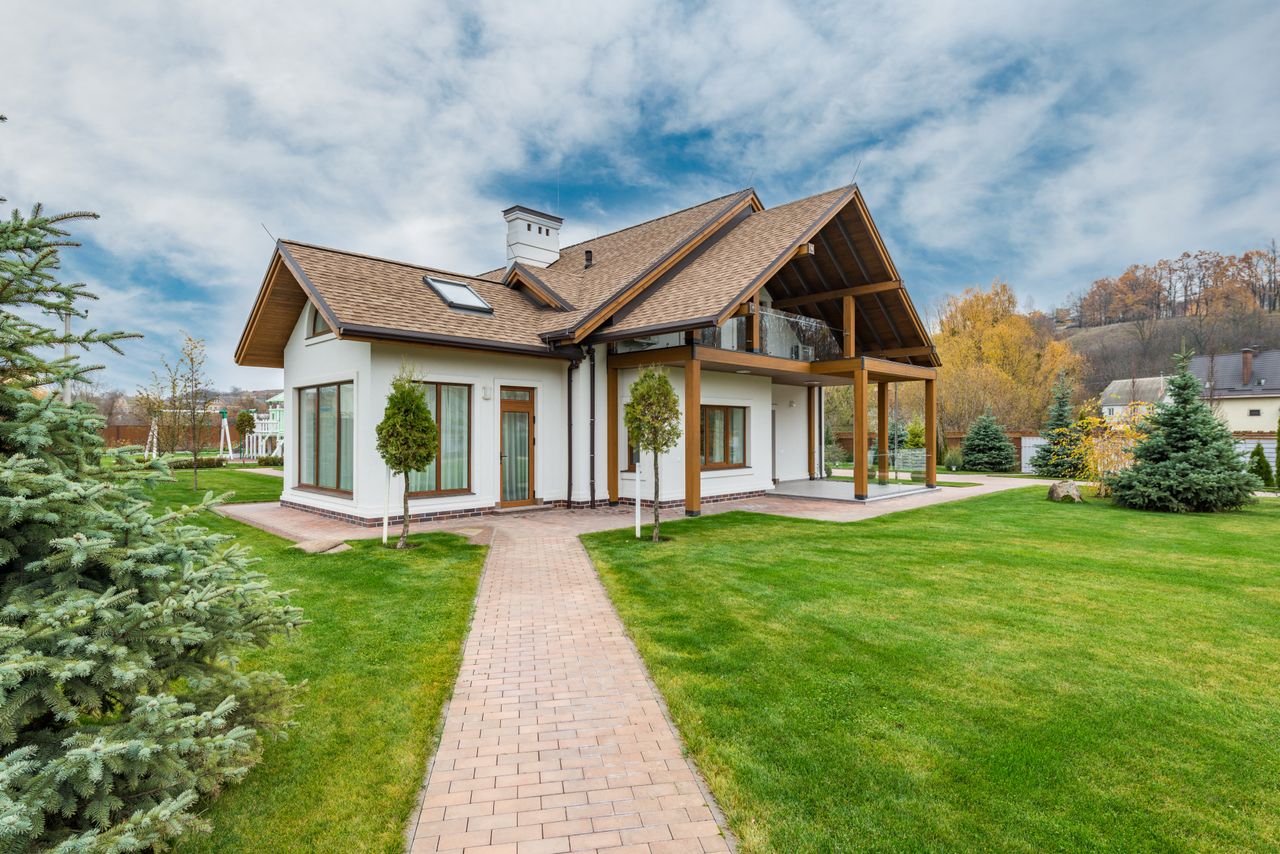
Traditional apartment living may not always provide enough room for changing household needs. Families with children, pet owners, or people working from home often appreciate having additional indoor and outdoor space. Build-To-Rent homes typically include features found in traditional single-family houses. Private entrances, garages, backyards, and multiple bedrooms create a more comfortable residential environment. These features allow residents to experience many of the benefits associated with homeownership while continuing to rent. More living space supports everyday comfort and makes long-term renting a practical option for a wider range of households.
Offering Professional Property Management
Property maintenance is an important part of residential living. Homeowners are generally responsible for repairs, landscaping, and ongoing maintenance, which can require both time and financial resources. Build-To-Rent communities usually include professional management teams that oversee maintenance and property services. Residents can report repair needs through organized systems without arranging contractors independently. Community maintenance often includes landscaping, shared amenities, and exterior upkeep. Professional management helps simplify daily living while maintaining consistent property standards throughout the neighborhood.
Supporting Community Living
Many renters seek more than just a place to live. They also value opportunities to become part of welcoming neighborhoods that encourage interaction and long-term residency. Build-To-Rent developments often include shared amenities such as walking paths, green spaces, playgrounds, fitness facilities, or community gathering areas. These features encourage residents to interact while creating stronger neighborhood connections. Professionally managed communities also promote consistent maintenance that helps preserve an attractive environment. Comfortable shared spaces contribute to a greater sense of belonging without requiring property ownership.
Addressing Housing Market Changes
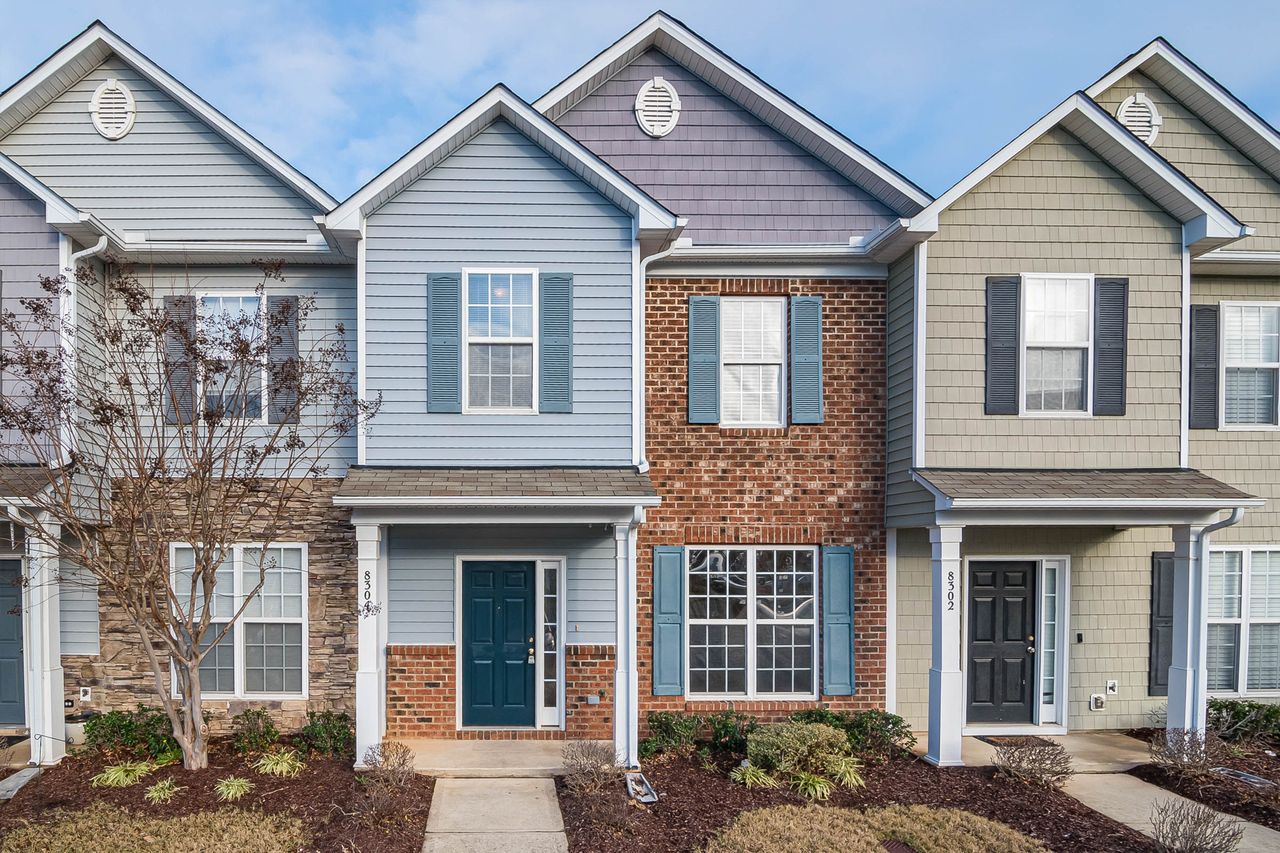
Housing affordability has become an important consideration in many regions. Rising home prices, higher mortgage costs, and changing financial priorities have influenced how people approach residential housing. Build-To-Rent communities provide another option within the housing market by serving households that may not currently wish to purchase a home. Some renters are saving for future ownership, while others simply prefer the flexibility of renting. Developers have responded by increasing investment in purpose-built rental neighborhoods that meet growing demand. These communities expand housing choices while helping accommodate different financial situations and lifestyle preferences.
Preparing Future Residential Development
Residential development continues adapting as demographic trends and housing preferences change. Population growth, remote work, and evolving family structures influence how future communities are designed. Build-To-Rent developments represent one example of this ongoing evolution. Rather than focusing exclusively on homes for sale, developers increasingly recognize demand for professionally managed rental neighborhoods that provide long-term stability. These projects allow communities to offer greater housing diversity while serving residents with varying financial goals and personal circumstances. As housing markets continue changing, Build-To-Rent communities will likely remain an important part of residential planning.
Build-To-Rent communities are …
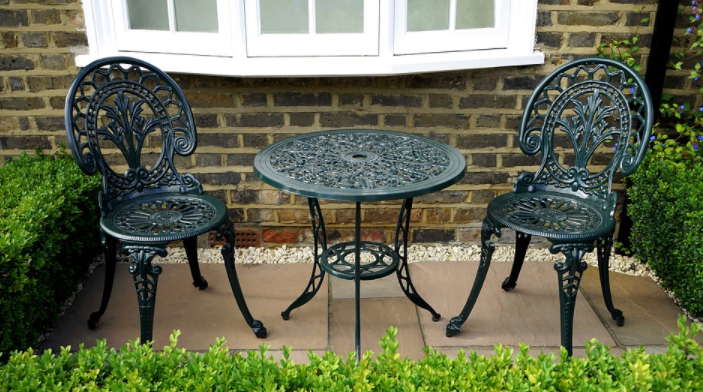
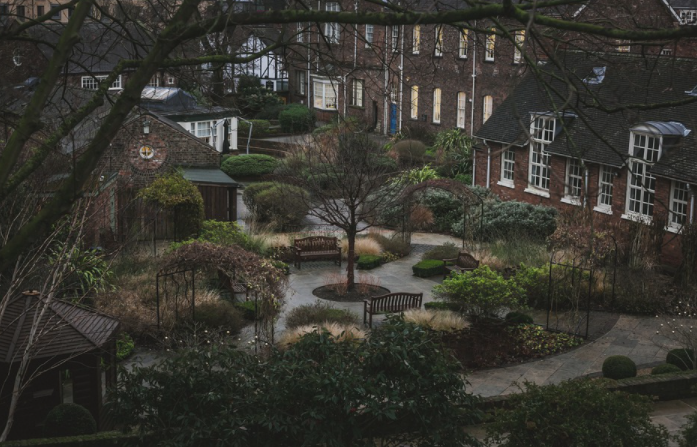
 Where will you build the patio does matter. If you have space in the front of the house, the outer room can belong there. To insulate it from prying eyes outside, it can be screened from the street with a vertical privacy screen of wrought iron shrubs, wood lattice panels with creeping vines such as jasmine or bougainvillea. It can be placed at the back of the house if you have enough space, in the situation where it can flow into the kitchen. And if your backyard is at the back of the house, you can build the recreation room there.
 If you have a well-enclosed patio, do you need a heater for the colder